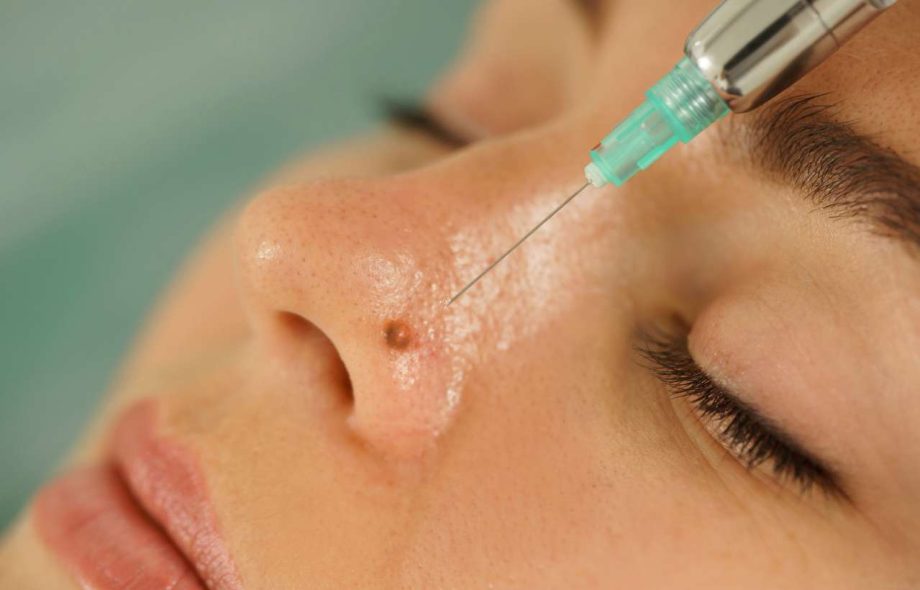
Warts removal treatment is a common concern for individuals seeking to eliminate warts caused by the human papillomavirus (HPV). One of the most frequently asked questions is how long it takes for the skin to heal after treatment, as this affects daily activities, appearance, and overall comfort. Healing times can vary depending on the type of treatment, wart location, and individual skin response. Many people also want to know How does salicylic acid help in removing warts(كيف يساعد حمض الساليسيليك في إزالة الثآليل), as it provides a gentle, non-invasive option that supports gradual healing.
What Is Warts Removal Treatment And How It Works?
Warts removal treatment encompasses methods designed to eliminate warts while promoting healthy skin regrowth. Treatments can work by chemically peeling the wart, freezing the tissue, stimulating immune response, or surgically removing it. Topical treatments like salicylic acid gradually dissolve wart tissue, while procedures such as cryotherapy or laser therapy physically destroy the affected cells. Understanding the mechanism of each treatment helps predict the healing process and sets realistic expectations for recovery time.
Importance Of Understanding Healing Time:
Knowing the expected healing time after warts removal treatment is essential for several reasons:
Preventing irritation or injury to the treated area during recovery.
Planning daily activities, especially if the wart is on the hands or feet.
Avoiding premature exposure to water, friction, or contaminants that may prolong healing.
Monitoring for signs of infection or complications to ensure proper care.
Understanding these factors helps individuals manage expectations and take steps to ensure effective healing.
Types Of Warts Removal Treatments And Healing Duration:
Different treatments have varying recovery times depending on their intensity:
Topical Salicylic Acid: Gradual peeling occurs over weeks, with minimal pain and short recovery time between applications. Full healing usually coincides with wart removal, typically 2–12 weeks.
Cryotherapy: Freezing the wart can cause blistering, redness, and mild discomfort. Healing usually occurs within 1–3 weeks, depending on skin sensitivity.
Laser Therapy: Burns wart tissue and may leave temporary redness or scabbing; healing may take 1–4 weeks.
Immunotherapy: Stimulates immune response with minimal visible skin disruption; recovery is generally fast, though wart clearance may take longer.
Surgical Removal: Excision provides immediate wart removal, but the skin may take 1–3 weeks to fully heal, with minor scarring possible.
Knowing the typical healing time for each method allows individuals to plan care and avoid complications.
Preparation And Aftercare For Faster Healing:
Proper preparation and aftercare are crucial to ensure faster recovery after warts removal treatment:
Preparation Tips:
Clean the affected area thoroughly before treatment.
Soak thick warts in warm water if using topical treatments to soften the skin.
Avoid applying multiple aggressive treatments simultaneously.
Aftercare Tips:
Keep the treated area clean and dry to prevent infection.
Apply gentle, fragrance-free moisturizers to soothe skin.
Avoid picking, scratching, or exposing the area to friction.
Protect the area with a small bandage if recommended.
Consistent aftercare enhances healing speed, reduces discomfort, and improves overall results.
Ideal Candidate For Efficient Healing:
An ideal candidate for Warts Removal (إزالة الثآليل) with a predictable healing time includes individuals who:
Follow treatment and aftercare instructions carefully.
Have small, uncomplicated warts located in easily accessible areas.
Are consistent with topical applications or follow-up sessions for procedural treatments.
Maintain good hygiene and avoid irritants during the healing process.
Being an ideal candidate increases the likelihood of rapid and smooth recovery.
How Does Salicylic Acid Help In Removing Warts And Promote Healing
Salicylic acid works as a keratolytic agent, softening and gradually dissolving wart tissue. By removing layers of keratin, it encourages healthy skin regrowth and allows the treated area to heal gradually without causing significant pain or trauma. Regular application stimulates a localized immune response, reducing recurrence and supporting a controlled, safe healing process. Its gentle action makes it particularly effective for individuals seeking a low-pain, home-based treatment that promotes natural recovery.
Risks And Benefits:
Benefits:
Non-invasive and safe for home or professional use.
Gradual treatment minimizes trauma and allows predictable healing.
Reduces discomfort associated with untreated warts.
Promotes immune response to prevent recurrence.
Risks:
Mild irritation, redness, or peeling may occur with topical treatments.
Temporary discomfort or blistering with cryotherapy or laser therapy.
Minor scarring may result from surgical removal if not properly cared for.
Healing may be slower if aftercare guidelines are not followed.
Understanding these factors helps set realistic expectations and encourages proper care throughout the recovery period.
FAQs About Healing After Warts Removal:
Q: How long does it take for a wart to fully heal after treatment?
A: Healing typically ranges from 2–12 weeks, depending on the treatment method and individual skin response.
Q: Can I resume normal activities immediately?
A: Light activities are usually fine, but avoid friction, scratching, or exposure to contaminants during healing.
Q: Does salicylic acid hurt during healing?
A: It may cause mild irritation or stinging, but it is generally well-tolerated and promotes gradual healing.
Q: How do I prevent infection during recovery?
A: Keep the area clean, dry, and protected with bandages if needed, and avoid picking or scratching.
Conclusion:
The healing time after warts removal treatment varies based on the method, location, and individual skin response. Topical treatments, particularly how does salicylic acid help in removing warts, provide a gentle, effective option with predictable recovery. Proper preparation, consistent application, and careful aftercare enhance healing, minimize complications, and promote smooth skin regrowth. Understanding treatment options and expected healing timelines allows individuals to achieve successful, long-term results safely and effectively.
 :
: